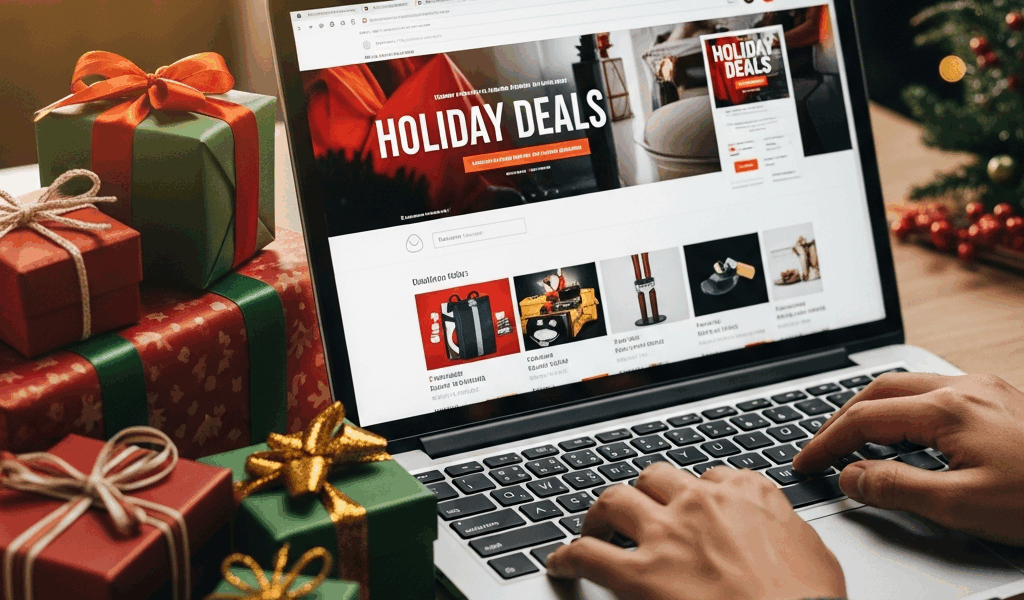
Shop Holidays: A Guide to Seasonal Sales
Shopping holidays have gotten complicated with all the flash sales, doorbusters, and promotional calendars flying around. As someone who’s run e-commerce sites and tracked retail trends for small businesses for years, I learned everything there is to know about maximizing these seasonal sales. Today, I will share it all with you.

Black Friday
Black Friday hits the day after Thanksgiving and kicks off the holiday shopping frenzy. Retailers slash prices on electronics, home goods, and apparel. Some stores open at midnight or earlier, and online deals start even sooner. The discounts can be legitimately good, but you have to know what you’re looking for.
Shopping on Black Friday feels like combat if you do it in-store. To make it worthwhile, create a specific list beforehand. Check prices weeks in advance so you can spot genuine discounts versus fake “sales” where they raise the price first. Compare deals across retailers—sometimes Target beats Walmart, sometimes it’s the reverse. I use price tracking tools like CamelCamelCamel for Amazon items to see historical prices.
Cyber Monday
Cyber Monday happens the Monday after Thanksgiving and focuses entirely on online shopping. This is for people who value their sanity over camping outside stores. You’ll find strong discounts on electronics, fashion, and home decor, often matching or beating Black Friday prices.
To maximize savings, use price comparison tools and cashback websites like Rakuten. Sign up for retailer newsletters a week or two before Cyber Monday to get early access codes and exclusive offers. Shopping early Monday morning helps you grab limited-stock items before they sell out. I set alarms for specific deals I’m targeting.
Prime Day
Amazon Prime Day runs mid-July and requires a Prime membership to participate. Amazon pushes its own products hard—Echo devices, Kindles, Fire tablets—but deals span most categories. It’s basically Amazon’s attempt to create a summer Black Friday.
You need an active Prime membership to see any deals, which costs money upfront. Create a wishlist beforehand so you’re not browsing aimlessly when deals go live. Lightning deals expire in hours or when inventory runs out, so set reminders for items you actually want. I’ve watched deals sell out in minutes for popular products.
Singles’ Day
Singles’ Day on November 11 started in China and became the world’s largest online shopping event. Alibaba drives most of the activity, but other retailers have jumped in. The discounts can be massive, especially on electronics and fashion.
Probably should have led with this section, honestly. If you’re buying from international retailers, check shipping policies carefully. International shipping can eat up your savings. Use browser extensions to translate pages and compare prices across regions. Following tech blogs and deal aggregators helps you find the genuine bargains among the noise.
Back to School Sales
Back to School sales hit late July through August as students prepare for the new academic year. School supplies, clothing, backpacks, and electronics all see price cuts. Laptops and tablets get especially competitive discounts as retailers target college students.
Buying in bulk saves money if you have multiple kids or can split purchases with other families. Stack coupons with store sales for maximum discounts—many retailers allow this even though they don’t advertise it. Shop early for the best selection. By late August, popular items and sizes are picked over.
Labor Day Sales
Labor Day sales run the first Monday in September and focus on home improvement, appliances, and outdoor furniture. Retailers clear out summer inventory to make room for fall products. The discounts on grills, patio furniture, and power tools can be substantial.
Research products and prices beforehand so you recognize actual deals. Many retailers extend sales over the entire Labor Day weekend, which makes shopping less frantic. Check if your store credit card or membership program offers additional discounts—these often stack with sale prices for another 5-10% off.
Valentine’s Day
Valentine’s Day sales on February 14 target jewelry, chocolates, flowers, and romantic gifts. Retailers markup these items hard in the weeks before, then discount them on the actual day. If you’re buying jewelry or similar gifts, timing matters.
Plan purchases in advance to avoid the last-minute price spikes. Online retailers often bundle multiple items—chocolates plus flowers plus a card—for better value than buying separately. Use loyalty points if you have them to offset costs on premium items. Alternatively, shopping February 15 gets you 50% off everything for next year.
Mother’s Day/Father’s Day
Mother’s Day in May and Father’s Day in June feature sales on electronics, clothing, and personalized items. These aren’t the deepest discount events, but they’re useful for gift shopping with modest savings.
Sign up for promotions and newsletters to get exclusive offers and early access. DIY gifts can be more meaningful and cost-effective if you’re crafty. Check deal aggregator sites for promotional codes that stack with existing sales. I typically find 15-20% off codes floating around during these holidays.
Christmas and Holiday Sales
The Christmas shopping season runs late November through December 24. Sales cover everything from toys to electronics to decorations. This is the longest sustained sale period of the year, with waves of deals hitting weekly.
Advanced planning helps you secure popular items before they sell out. Monitor price trends throughout November and December—sometimes early December prices beat Black Friday. Use layaway programs to spread expenses if you’re buying big-ticket items. Early-bird discounts in November often match or beat December prices with less stress.
New Year’s Sales
New Year’s Sales immediately after Christmas feature clearance items from the holiday season. Fitness equipment, organizers, and health supplements get pushed hard as people make resolutions. The discounts on leftover Christmas inventory can be extreme.
Shop early January for the best clearance selection. Buy holiday decorations and wrapping paper at 50-75% off for next year. I stock up on cards, gift bags, and decorations in early January every year. Compare prices because some retailers discount more aggressively than others on post-holiday clearance.
Boxing Day
Boxing Day on December 26 in the UK, Canada, and Australia offers major markdowns on electronics, clothing, and household goods. It’s similar to Black Friday but with post-Christmas clearance mixed in. The deals can be spectacular on leftover inventory.
Check return policies before buying because you might need to exchange items. Online shopping provides similar discounts without fighting in-store crowds. Store memberships and loyalty programs often provide additional percentage-off coupons that stack with Boxing Day sales.
Small Business Saturday
Small Business Saturday, the Saturday after Thanksgiving, encourages shopping at local businesses. Discounts on unique, handcrafted items make this ideal for finding distinctive gifts. The savings might not match big-box retailers, but the products are usually higher quality and more interesting.
That’s what makes Small Business Saturday endearing to us entrepreneurs and small business owners—it channels shopping dollars back into local communities. Plan visits to favorite local stores and explore new ones. Many small businesses offer special promotions or exclusive items for this day. You support your community while getting quality products.
Tips for Shopping Holidays
- Research and plan ahead to identify genuine deals versus manufactured “sales” where they mark up prices first.
- Use price comparison tools and apps like Honey, CamelCamelCamel, and Google Shopping.
- Sign up for newsletters and alerts from retailers you actually shop at, not random stores.
- Stack cashback websites and discount codes for additional 5-15% savings on top of sales.
- Maintain a shopping list to avoid impulse buying junk you don’t need just because it’s “on sale.”
Shopping holidays provide legitimate opportunities to save money if you approach them strategically. Random browsing and impulse buying waste the potential savings. By planning purchases, tracking prices beforehand, comparing retailers, and using available tools, you can maximize benefits without getting caught up in artificial urgency. The best shoppers treat these events like projects—research, plan, execute—rather than spontaneous spending sprees. Know what you need, know what it should cost, and buy when the price is actually good. Everything else is just retail marketing trying to separate you from your money.



Stay in the loop
Get the latest web sme updates delivered to your inbox.