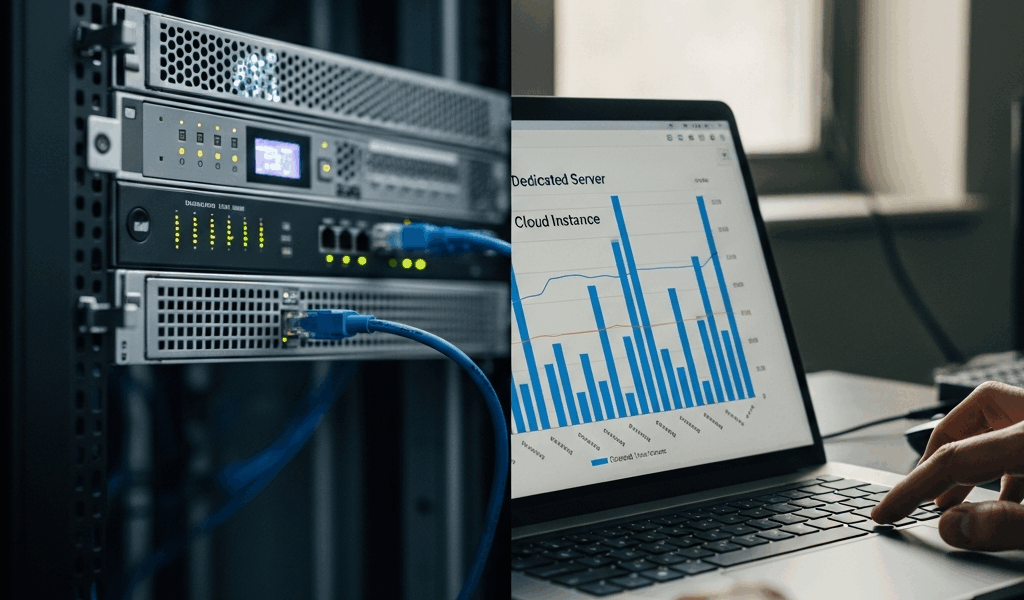
Understanding Dedicated Servers
Dedicated servers have gotten complicated with all the configurations, managed vs. unmanaged options, and pricing tiers flying around. As someone who has migrated dozens of web applications and helped small businesses scale their infrastructure, I learned everything there is to know about when you actually need dedicated hosting versus when cloud solutions make more sense. Today, I will share it all with you.
What is a Dedicated Server?
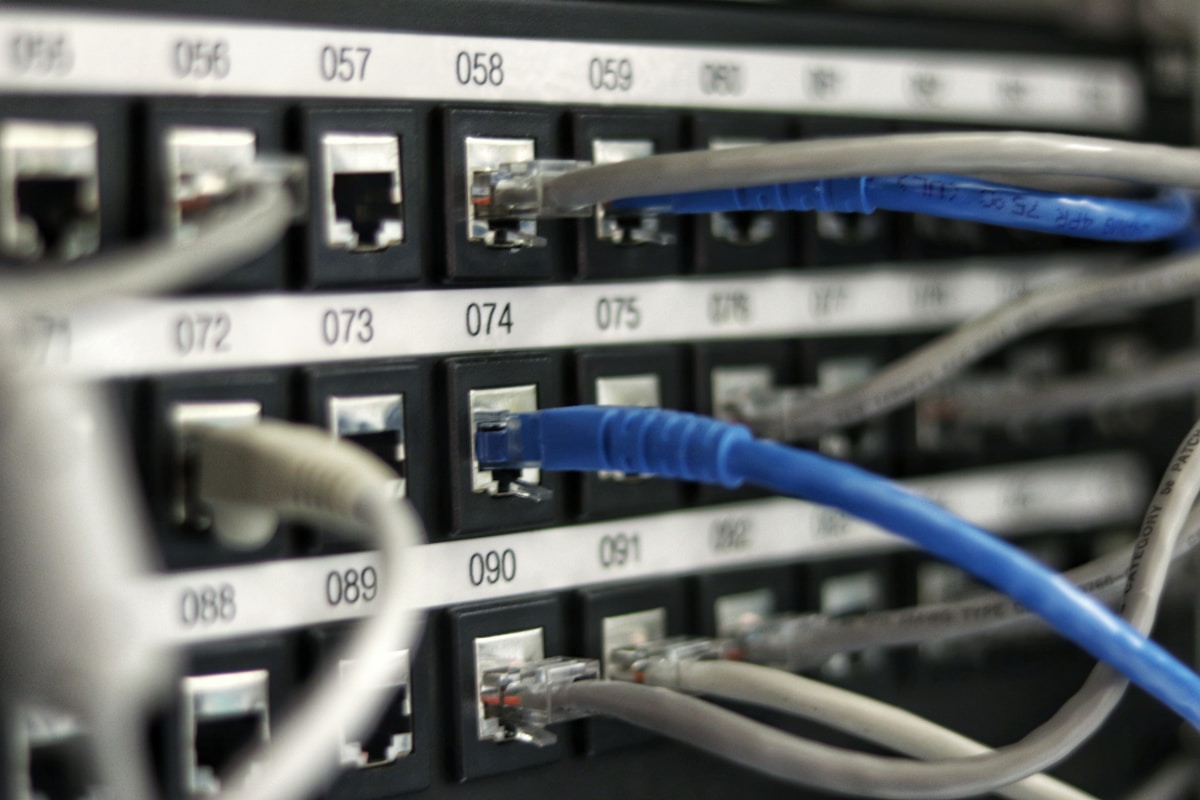
A dedicated server is exactly what it sounds like—a physical server that’s yours and yours alone. Unlike shared hosting where you’re crammed in with hundreds of other sites fighting for resources, dedicated hosting means the entire machine works for you. This translates to better performance, tighter security, and total control over how things run.
Advantages of Using Dedicated Servers
- Performance: When you have dedicated resources, your server can handle traffic spikes and resource-intensive applications without breaking a sweat. No more “neighbor noise” slowing you down.
- Security: Dedicated servers give you an isolated environment with robust firewall configurations. You’re not sharing security risks with who-knows-how-many other sites.
- Control: You choose the operating system, install whatever software you need, and configure everything exactly how you want it. It’s your sandbox.
- Reliability: Downtime risk drops significantly because other users can’t crash the server with their poorly optimized code or traffic surges.
Types of Dedicated Servers
Dedicated servers come in different flavors depending on what you need and how hands-on you want to be. Here are the main categories:
- Managed Dedicated Servers: The hosting company handles updates, security patches, and monitoring. Perfect if you want the power of dedicated hosting without becoming a server admin overnight.
- Unmanaged Dedicated Servers: You’re responsible for everything from initial setup to ongoing maintenance. Maximum control, but you better know your way around a command line.
- Dedicated Game Servers: Specially configured for hosting online gaming sessions with low latency and optimal performance. Gamers take their ping times seriously.
- Storage Dedicated Servers: Optimized for massive data storage needs—think backup solutions and enormous databases that would choke a regular setup.
Choosing the Right Dedicated Server
Probably should have led with this section, honestly. When selecting a dedicated server, you need to think through several factors:
- Processor: Look for CPUs that can actually handle your workload. More cores generally means better multitasking capability.
- Memory: Get enough RAM to run your applications smoothly and handle concurrent requests without grinding to a halt.
- Storage: Choose between traditional HDDs and SSDs based on whether you need capacity or speed. SSDs are faster but pricier per gigabyte.
- Bandwidth: Make sure you have enough bandwidth to accommodate your expected traffic. Running out of bandwidth is like running out of gas on the highway.
- Support: Evaluate the hosting company’s support quality, especially if you’re going unmanaged and might need emergency help at 3 AM.
- Price: Compare costs against features and support. The cheapest option rarely ends up being the best value.
Setting Up and Managing a Dedicated Server
Initial setup involves installing the operating system and configuring network settings. With managed servers, the hosting provider handles this. With unmanaged servers, you’ll be doing it yourself, which means getting comfortable with command-line tools and server environments.
Server management includes regular maintenance, security updates, performance monitoring, and troubleshooting issues when they inevitably pop up. Tools like cPanel or Webmin can simplify these tasks, especially if you’re not a seasoned server administrator.
Security Practices for Dedicated Servers
Keeping your dedicated server secure isn’t optional—it’s essential. Here are the practices that actually matter:
- Regular Updates: Keep your operating system and all software current to patch vulnerabilities before bad actors exploit them.
- Firewall Configuration: Set up firewalls to block unauthorized access and filter malicious traffic before it reaches your applications.
- Strong Passwords: Use complex, unique passwords for every account and rotate them regularly. “Password123” doesn’t cut it.
- SSH Keys: Use SSH keys for authentication instead of passwords. They’re significantly more secure against brute-force attacks.
- Monitoring: Implement monitoring tools to catch unusual activity or potential threats before they become disasters.
- Backups: Regularly back up your data. Hardware fails, ransomware happens, and backups are your insurance policy.
Scaling with Dedicated Servers
Dedicated servers offer different scaling approaches depending on your growth patterns. Vertical scaling means upgrading server components—adding more RAM, switching to faster storage, or upgrading the CPU. Horizontal scaling distributes load across multiple servers, though it’s less common with dedicated setups.
Load balancers distribute traffic evenly across resources, reducing overload risk and improving response times. Virtualization lets you run multiple virtual servers on one physical machine, maximizing hardware utilization and giving you more flexibility.
Cost Considerations
Dedicated server costs vary wildly based on hardware specs, management level, and additional services. High-performance servers with enterprise features will obviously cost more. Managed services increase the price but can save you time and headaches in the long run. Budget correctly and understand all the costs involved—including bandwidth overages and backup services—so you don’t get surprised.
Industries Benefiting from Dedicated Servers
Different industries use dedicated servers for specific reasons. E-commerce platforms need the reliability and security to maintain customer trust and handle transactions smoothly. Streaming services require robust performance for handling thousands of concurrent users. Financial institutions benefit from the control and security essential for protecting sensitive data. Gaming companies use dedicated servers to deliver optimal experiences with minimal latency.
Environmental and Efficiency Factors
Energy efficiency is becoming a bigger consideration with dedicated servers, especially given how much power high-performance hardware consumes. Many hosting providers now implement green hosting practices like using energy-efficient components and renewable energy sources. Efficient cooling systems reduce energy usage while contributing to operational sustainability.
Technological Advances and Future Trends
Dedicated server technology keeps evolving. AI integration for predictive maintenance and performance optimization is becoming more common. Edge computing brings processing closer to data sources for reduced latency. Enhanced security measures like improved encryption and intrusion detection systems are evolving to counter increasingly sophisticated threats.
Choosing a Hosting Provider
That’s what makes dedicated servers endearing to us web developers—they give you the foundation to build something solid. Choosing a reliable hosting provider is crucial for maximizing benefits. Look for providers with strong reputations, proven reliability, and responsive customer support that actually helps when things go wrong.
Assess their data center infrastructure and available managed services. Read reviews from actual customers, compare plans carefully, and check uptime and performance guarantees. The right provider makes all the difference between smooth sailing and constant firefighting.



Stay in the loop
Get the latest web sme updates delivered to your inbox.