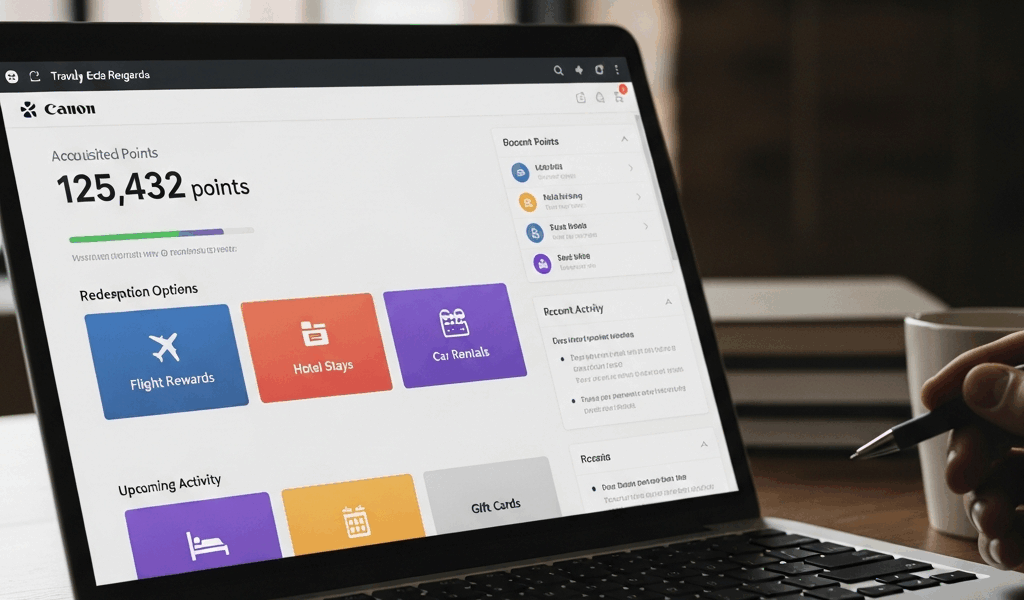
Travel Bank
Understanding Travel Bank
Travel bank systems have gotten complicated with all the expiration dates, airline-specific policies, and usage restrictions flying around. As someone who’s managed business travel and helped small companies navigate airline credit systems for years, I learned everything there is to know about maximizing travel bank credits without losing money to expiration. Today, I will share it all with you.

How Travel Banks Work
Travel bank credits are created when you cancel or change a flight. Instead of issuing cash refunds, airlines store that money as credits for future travel. You can use these credits for booking flights, upgrading seats, or purchasing additional services like checked bags or seat selection.
When you cancel a $500 flight, the airline converts that value into travel credits minus any change fees. These credits live in your travel bank account, accessible through the airline’s website or app. The credits sit there until you use them or they expire—whichever comes first.
Access your travel bank by logging into your airline account and navigating to the credits section. You’ll see your total available credits and their expiration dates. This visibility helps you track what’s available before credits disappear, which happens more often than airlines like to admit.
Benefits of Using Travel Bank
Travel bank accounts offer flexibility that fixed-value vouchers don’t. You’re not forced to book immediately or lose the value. You can wait for good flight times or better pricing.
The system simplifies the refund process—credits appear in your account almost instantly instead of waiting weeks for a cash refund. For frequent travelers who know they’ll book another flight soon, this immediacy is valuable.
Some airlines let you combine travel bank credits with other payment methods. If you have $300 in credits but need to book a $450 flight, you can pay the difference with a credit card. This mixed-payment option makes credits more useful than restrictive vouchers.
Managing Your Travel Bank Efficiently
Probably should have led with this section, honestly. Expiration dates are the biggest trap in travel bank systems. Credits typically expire 12-24 months after issuance, and airlines rarely extend them no matter how much you plead.
Set calendar reminders for credit expiration dates—ideally multiple reminders at 90 days, 30 days, and 7 days before expiration. I’ve watched clients lose hundreds of dollars because they forgot about credits that expired. Airlines don’t send reminders because they profit when credits expire unused.
Check your travel bank balance regularly, especially before booking flights. Knowing your available credits helps you plan trips strategically and avoid losing money to expiration. I review mine quarterly as part of general financial housekeeping.
Common Travel Bank Policies
Every airline has different travel bank policies, which is intentionally confusing. Credits are typically non-transferable—only the account holder can use them. You can’t transfer credits to family members or sell them to friends.
Not all flights or services can be purchased with travel bank credits. Some airlines restrict credits to certain fare classes or exclude basic economy tickets. Read the fine print before assuming your credits work for everything.
Most airlines don’t allow combining travel bank credits with loyalty points in the same transaction. You choose one payment method or the other, not both. This limitation reduces flexibility but is standard across the industry.
Airlines Offering Travel Bank Services
- United Airlines: Uses Future Flight Credit valid for 24 months. Accessible through their website, these credits work for most United flights but check restrictions on partner airlines.
- Delta Airlines: Issues eCredits valid for 12 months from original ticket issuance. Shorter validity period means you need to use them faster.
- American Airlines: Provides trip credits viewable online. These typically last 12 months and can be used for most American flights.
- Alaska Airlines: Credits called Wallet Funds last 12 months and cover a wide range of services including seat upgrades and baggage fees.
Using Travel Bank Credits for International Travel
Check whether your credits work for international flights. Some airlines restrict credits to domestic travel only, which significantly limits their value. This restriction is usually buried in terms and conditions that nobody reads until it’s too late.
Airlines with broader policies allow credits for international travel, but you might face restrictions on partner airlines or codeshare flights. I always verify credit eligibility for specific routes before getting excited about a trip.
Consider exchange rates and international fees when booking international flights with credits. The credit value is fixed in your currency, but ticket prices fluctuate with exchange rates. These factors can affect whether you have enough credits to cover the full fare.
Tips for Maximizing Travel Credits
That’s what makes travel bank systems endearing to us frequent travelers and business owners—you can maximize value if you’re strategic about usage.
Use credits during sales and promotional periods. Airlines run discounts that let you stretch credits further. A $300 credit might cover a flight that normally costs $400 but is on sale for $280, leaving you with $20 in credits for next time.
Combine travel credits with credit card rewards or discounts. Some travel credit cards offer additional rebates on airline bookings. Stack these savings to maximize value from both credits and card benefits.
Consider using credits for seat upgrades rather than basic tickets. If you’re booking travel anyway, upgrading from economy to premium economy or business class with credits provides more perceived value than using them for a basic fare you’d buy regardless.
Comparing Travel Banks to Traditional Refunds
Traditional cash refunds go back to your original payment method—credit card or bank account. This provides liquidity you can use anywhere, but processing takes days or weeks. Airlines also charge change fees that reduce the refund amount.
Travel bank credits are available immediately but lock you into using that specific airline. For frequent flyers who know they’ll book again, instant credits outweigh the flexibility of cash refunds. For occasional travelers, cash refunds are often better despite the wait.
Consider your travel frequency when choosing between refund types. If you fly the same airline regularly, take the credits. If you travel once every few years, push for the cash refund to avoid expiration risk.
Potential Drawbacks of Travel Banks
Credits expiring is the major drawback. If you don’t use them within the validity period, the money disappears entirely. Airlines profit enormously from expired credits—it’s essentially free money for them.
Usage restrictions create frustration. Not all flights, routes, or fare classes accept travel credits. These limitations often aren’t clear until you try to book and discover your credits don’t work for what you want.
Non-transferable credits mean only you can use them. Families can’t pool credits, and you can’t gift them to someone who’d actually use them before expiration. This restriction reduces the practical value, especially for infrequent travelers.
Future of Travel Bank Systems
Travel bank systems will likely become more sophisticated as airlines invest in digital infrastructure. Expect better integration with loyalty programs, letting you combine points and credits in single transactions.
Enhanced mobile apps will make tracking and using credits easier. Push notifications for expiring credits, easier redemption processes, and better visibility into where credits can be used would all improve the customer experience.
Regulatory pressure might force airlines to extend credit validity periods or reduce restrictions. Several countries are considering consumer protection laws around airline credits, which could make systems more traveler-friendly. The current system heavily favors airlines, and that balance may shift as travel becomes more consumer-focused.



Stay in the loop
Get the latest web sme updates delivered to your inbox.